A Little to the Left: Stars
Secret Mode LtdPuzzle
4.931.00 Reviews
- Version
- 3.6.0
- Installs
- 10.00K
- Age Rating
- Everyone
Screenshots

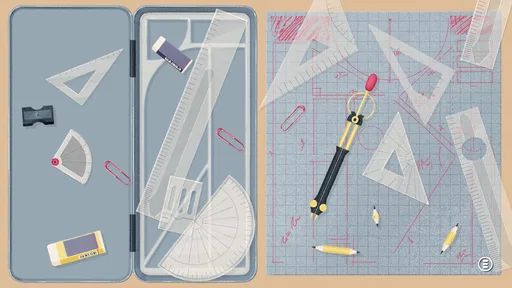
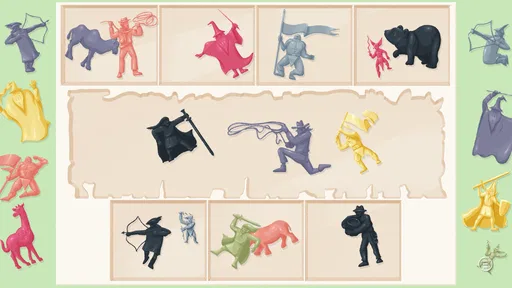

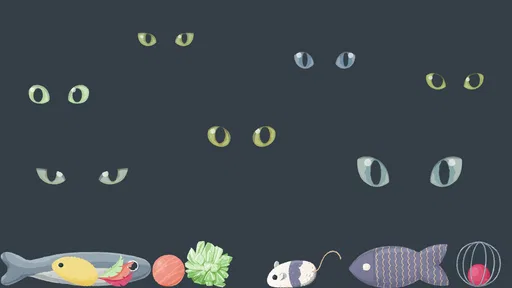
Our Review of A Little to the Left: Stars
 Analysis by Appyee
I tend to enjoy puzzle games most when they give me something specific to notice rather than asking me to race through a string of tasks. A Little to the Left: Stars builds its appeal around arranging familiar objects and looking for a pleasing order. That makes it an easy game to pick up when I want a short break, though its quiet pace and visual focus will suit some players much better than others.
What the organizing puzzles ask of you
The basic idea is approachable: examine the items on screen, work out a pattern or arrangement, and move things until the result feels right. In practice, that asks for more than neatness. I find myself comparing shapes, spacing, direction, and visual relationships, then checking whether a small change makes the whole scene click. It is a gentler kind of problem-solving than a word puzzle or a fast-action game, but it still expects careful attention.
The drag-and-drop approach makes experimenting feel natural. I can try an arrangement, reconsider it, and move an object again without feeling that I have committed to a costly mistake. That freedom is useful when a solution is not immediately obvious: instead of guessing once and moving on, I can test possibilities and learn what the puzzle seems to be asking me to notice.
There is no timer pushing me to act quickly, which is one of the clearest reasons I would recommend this style of puzzle to someone who dislikes being hurried. A level can be a brief mental reset or a longer stretch of quiet concentration. That flexibility makes it easy to fit into a day, although players looking for score-chasing, competition, or a brisk stream of new challenges may find the deliberate rhythm too subdued.
Readability, navigation, and visual attention
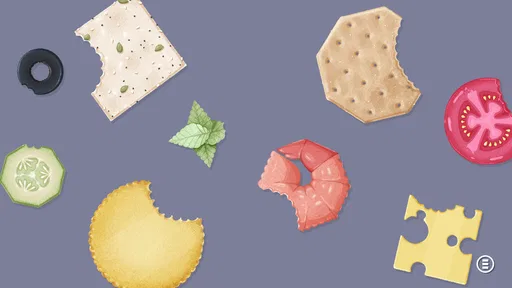
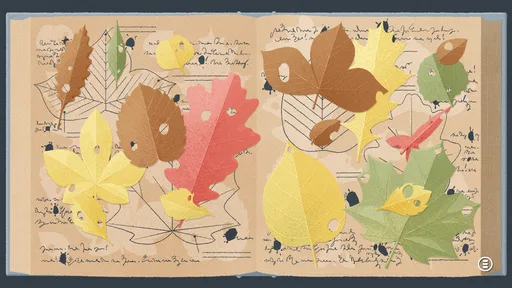
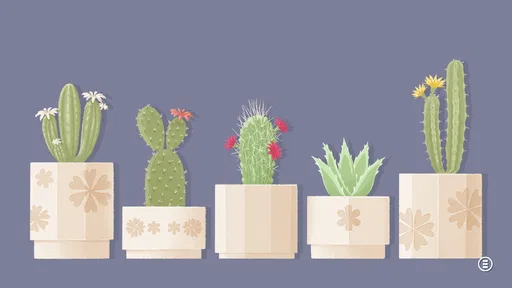
The scenes are built around objects that are meant to be inspected, and the artwork gives the puzzles much of their character. I like that the setting itself helps direct my attention: a desk or a sky full of stars gives each collection of items a visual context rather than making it feel like an abstract diagram. The calm presentation supports a slower way of looking, which is central to the enjoyment.
That emphasis also comes with a practical trade-off. Because the task depends on judging how objects look and relate to one another, the game is most comfortable for someone who can view the screen clearly and distinguish the details that matter in a given scene. The artwork may be pleasant, but visual charm is not the same thing as high contrast or easy-to-read interface text. I would try a few puzzles on the device I plan to use before deciding whether the presentation works well for me.
Navigation and interaction are simple enough for a newcomer to understand: the central activity is moving items into an arrangement, not learning a large set of controls. That helps make it approachable for people who rarely play games. Still, simple controls do not automatically make every puzzle effortless. The challenge can come from interpreting the scene, and a player may understand exactly how to move an object while remaining unsure where it belongs.
A calm game, with limits worth knowing
The gradual increase in puzzle complexity gives the experience room to become more demanding without changing its basic character. I enjoy that progression because it rewards patience and observation instead of reflexes. When I get stuck, though, the same unhurried design can leave me lingering on one arrangement longer than I would like. This is a game for people who enjoy examining possibilities; it is less suitable if a stalled puzzle quickly becomes frustrating.
The atmosphere is part of the appeal. The artwork and soft, ambient sound create a quiet mood that works well when I want to step away from a busy day. I would not assume that this makes the game equally comfortable in every setting: sound may be unwelcome around other people, and the visual detail still needs attention. Playing quietly or in a distracting environment changes the feel of a game that is designed for patient looking.
Secret Mode Ltd developed this puzzle game, which is aimed at an Everyone audience. It costs $3.99, so I would think of it as a paid, focused pastime rather than a free game to sample casually. Its 4.9 average from around 740 ratings and more than 10,000 installs suggest that many players have responded warmly, but those figures cannot tell me whether its particular blend of tidy scenes and patient observation will fit my own taste.
Who I would recommend it to
I would point this toward someone who likes arranging things in real life, enjoys visual puzzles, or wants a low-pressure game that does not demand fast reactions. It can also work for a family looking for a calm activity to share, as long as everyone is comfortable with a screen-based puzzle whose answers depend on looking closely. Its Everyone age rating makes the intended audience broad, but the best fit still depends on patience and visual comfort rather than age alone.
For a realistic use case, I can imagine playing a level while waiting for an appointment or settling in after dinner. The lack of a timer means I can pause my thinking whenever the moment calls for it, and the small scenes offer a clear task to return to. If I have only a few minutes, I would start a puzzle when I can give it some attention rather than when I need to keep glancing away; visual observation is easy to lose if I am constantly interrupted.
Compared with a word puzzle, this asks less of vocabulary and more of visual comparison. Compared with a fast match-style game, it trades speed and scores for careful arrangement. And unlike an open-ended organizing app, it gives each scene the shape of a puzzle rather than asking me to manage my own desk or schedule. That distinction matters: I would choose it for a contained, calming challenge, not for a competitive rush or practical organization tools.
One useful approach when I feel stuck is to stop moving objects at random and inspect the whole scene again. I look for repeated shapes, alignments, or a likely order, then make one deliberate change and see what it reveals. This keeps trial and error from becoming a blur of gestures. It is a small adjustment in how I play, but it makes the puzzle feel more like observation and less like guesswork.
The game is currently at version 3.6.0 and requires operating system version 10 or later. I would check those requirements before paying, especially if I plan to use an older device. The purchase makes the decision more straightforward than a free game filled with competing distractions, but it also means I should be reasonably sure I enjoy this specific style of puzzle before committing.
The Simple Joy of Organizing
At its core, A Little to the Left: Stars is all about arranging everyday items in a visually pleasing manner. It sounds straightforward, right? Yet, the game manages to make each level feel fresh with a whimsical charm that keeps you hooked. Imagine aligning stars or arranging books just so, each level a small puzzle that’s both a test of logic and an art form.
Gameplay and Mechanics
The mechanics are beautifully simple. You’ll be presented with a series of items and your task is to find the correct order or pattern for them. Sometimes you’ll be aligning stars in the sky, other times you might be tidying up a cluttered desk. The intuitive drag-and-drop controls make it easy to dive right in, but don’t be fooled—the puzzles can be surprisingly tricky!
What I love about this game is that it doesn’t rush you. There’s no timer, no pressure. You can take your time to figure out the perfect arrangement, which makes this a wonderfully relaxing experience. It’s perfect for winding down after a hectic day.
Visuals and Aesthetics
The visuals are simply stunning. The developers have done a fantastic job in creating a soothing and aesthetically pleasing environment. Each level is like a small piece of art, with beautifully drawn items and a calming color palette. The attention to detail is impeccable, making the game as much a feast for the eyes as it is for the mind.
The sound design complements the visuals perfectly. Soft, ambient music plays in the background, enhancing the relaxing atmosphere. It’s the kind of game where you can almost feel your stress melting away as you play.
A Little Challenge with a Lot of Heart
While the game starts off easy, it gradually introduces more complex puzzles that will test your creativity and problem-solving skills. You might find yourself stuck on a level, pondering the perfect arrangement for quite some time. But trust me, the satisfaction of finally getting it right is worth every minute.
What sets A Little to the Left: Stars apart is its heart. There’s a genuine love for the art of organizing that shines through in every level. It’s not just about solving puzzles; it’s about the joy of seeing things fall into place.
Perfect for All Ages
Whether you’re a seasoned gamer or someone who just wants a relaxing pastime, this game is perfect for everyone. Kids will love the playful nature of the puzzles, while adults can appreciate the more challenging aspects and the game’s soothing qualities.
It’s also an excellent choice for those who might not typically play games. The lack of pressure and the focus on creativity make it accessible to a wide audience, and it’s a great way to unwind and take a break from the hustle and bustle of daily life.
If you’re looking for a game that combines clever puzzles with a serene atmosphere, I’d give it a try if its price and visual-first approach fit what you want. The patient pacing is its strongest quality, but it is also the reason I would skip it if I wanted action, a competitive score chase, or puzzles that do not rely on close inspection.
So, why not give it a shot? You might find yourself pleasantly surprised by how satisfying a little organization can be!
Verdict
Strengths of A Little to the Left: Stars
- Engaging puzzle mechanics keep players intrigued.
- Beautiful, minimalistic art style enhances gameplay.
- Adaptive difficulty levels cater to all skill sets.
- Intuitive controls make navigation seamless.
- Regular updates introduce fresh challenges.
Limitations of A Little to the Left: Stars
- Limited free levels may deter some users.
- Some puzzles can be too challenging for beginners.
- Occasional minor bugs disrupt the experience.
- Lack of hints can frustrate stuck players.
- Requires internet for access to new content.
Other Releases by Secret Mode Ltd
View All
A Little to the Left: Drawers
Puzzle4.8
Similar Picks in This Category
View All
Block Blast!
HungryStudio4.8

Braindom: Brain Games Test
Lahana Game Studio4.6

AMAZE!
CrazyLabs LTD4.6

Sudoku - Classic Sudoku Puzzle
Oakever Games4.7

Art Puzzle - Puzzle Games
Easybrain4.8

Amaze GO!
Oakever Games4.9
Frequently Asked Questions
What is the main objective of A Little to the Left: Stars?
A Little to the Left: Stars is a puzzle game that challenges players to arrange and align objects according to visual patterns and clues. The game is designed to be soothing and engaging, offering players a chance to relax while using their problem-solving skills. The primary goal is to find harmony in each puzzle, creating a visually pleasing arrangement.
Are there any in-app purchases in A Little to the Left: Stars?
Yes, A Little to the Left: Stars includes in-app purchases. While the basic game provides a substantial amount of content for free, there are optional purchases available that unlock additional levels, special features, or other enhancements. These purchases are not necessary to enjoy the game but can enrich the overall experience.
Is A Little to the Left: Stars suitable for children?
A Little to the Left: Stars is suitable for players of all ages, including children. The game features intuitive controls, clear objectives, and a non-violent, calming atmosphere that makes it ideal for younger players. However, some puzzles may require advanced problem-solving skills, so parental guidance might be beneficial for younger children.
How does A Little to the Left: Stars enhance cognitive skills?
A Little to the Left: Stars enhances cognitive skills by encouraging players to think critically and creatively. The game involves pattern recognition, spatial awareness, and logical reasoning, all of which contribute to cognitive development. Regular play can improve focus, memory, and the ability to see connections between different elements, making it both fun and educational.
What platforms is A Little to the Left: Stars available on?
A Little to the Left: Stars is available on both Android and iOS platforms. It can be downloaded from the Google Play Store for Android users and the Apple App Store for iOS users. The game is optimized for a wide range of devices, ensuring smooth performance and an enjoyable experience across different screen sizes.
Play our best games!


